
Battery storage for later in the day.
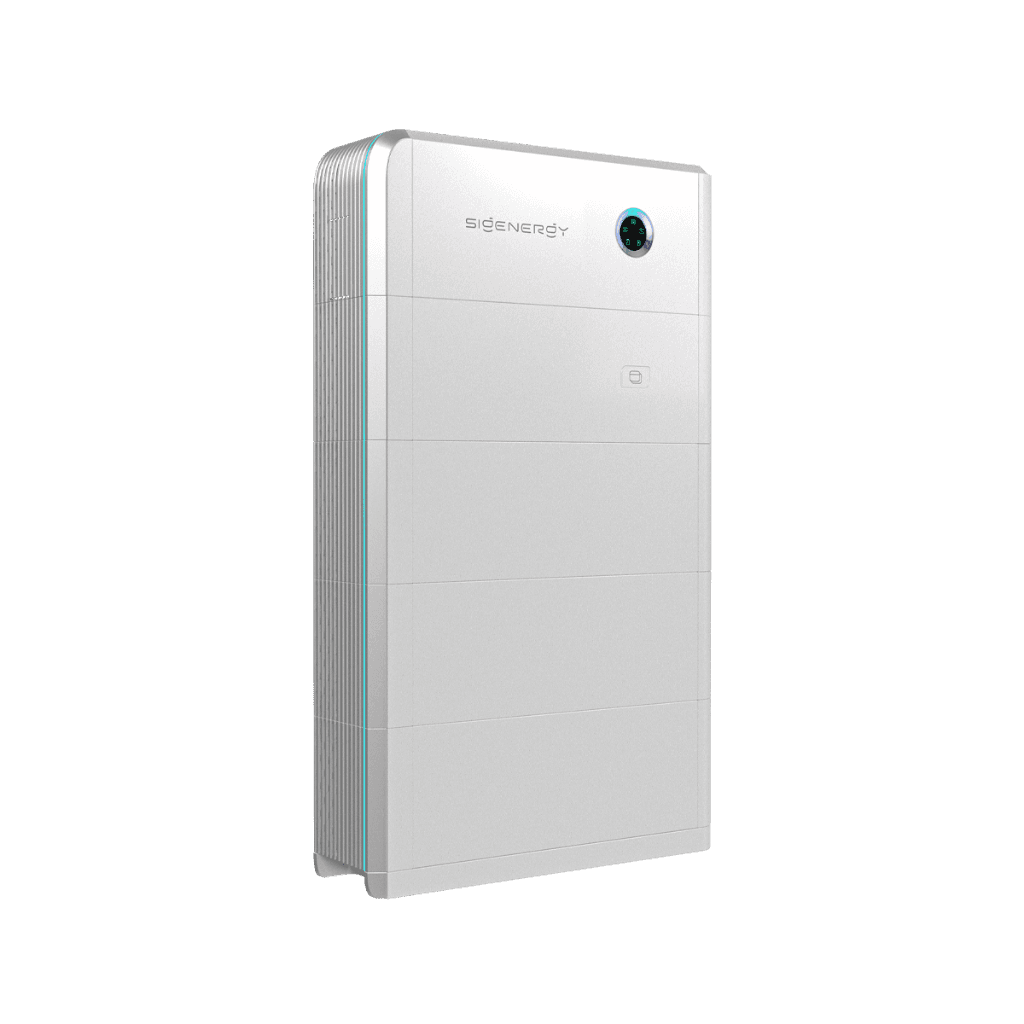
Store surplus solar for the evening, or for selected circuits during an outage if the system is designed for backup. Suitability depends on when you use electricity. It is not a promise of going off the grid.
What it changes
Solar peaks at midday. Most homes peak at night.
Without storage, daytime surplus is exported and the evening is supplied by the grid. A battery holds that surplus and releases it when demand rises after sunset.
Whether that is worth it depends on when you use power, how much solar you have, and whether backup matters to you. A battery is a design decision, not an accessory.
01Illustrative day
Watch the battery work.
A home with a 7 kW array and 10 kWh of storage. Follow the battery line: it fills through the middle of the day and carries the evening.
06:00 to 09:00 · 01 / 06
Morning
Demand rises before the sun does. What is left in the battery from yesterday covers part of it; the grid covers the rest.
- Solar generation
- Demand · home + EV
- Battery charge
- Home supplied by solar · battery · grid
- Solar
- 0.0kW
- Home
- 0.8kW
- Battery
- 0.8kW
- Supplying · 18%
- EV
- 0.0kW
- Grid
- 0.0kW
- Idle
Generated
36 kWh
Used on site
76%
Exported
8.6 kWh
Imported
11.9 kWh
Illustrative model of a clear day, 06:00 to midnight. Not measured data and not a prediction for any property, generation, use and storage depend on the site, the season and how the home is run.
02What is involved
Storage, designed into the system.
- 01
Storage sizing
Capacity and power matched to how much you use after sunset, not to the largest battery available.
- 02
Coupling
A hybrid inverter for new systems, or AC coupling alongside an existing solar inverter, whichever suits the site.
- 03
Backup design
Where backup is wanted, the circuits to keep running are separated and the changeover designed in.
- 04
Location and protection
A suitable location, clearances and isolation for the battery, considered with AS/NZS 5139 in mind.
- 05
Commissioning
Configuration of charge and discharge behaviour, testing and monitoring set up.
- 06
Expansion
Room to add capacity, or an EV charger, as the property's needs change.
Backup
Backup is designed, not assumed.
A battery does not automatically keep the lights on in an outage. For safety, grid connected systems disconnect when the network goes down, unless they are designed to isolate and supply a backup circuit.
If backup matters, we decide together which circuits it should cover, typically lighting, refrigeration and communications, and design the switchboard and changeover around them.
Questions
Battery questions.
What does a battery actually change?
A battery stores surplus generation for later, typically the evening. Backup during an outage is only available where the inverter, the battery and the selected circuits are designed for it. The useful amount of storage comes from the load, not from a standard package.
Can storage be added after solar is installed?
Often, if the inverter and switchboard leave room for it. It is simpler to decide during the original design. An existing system needs to be assessed before a battery is added.
Will a battery keep my whole house running in a power cut?
Not automatically. Backup has to be designed: which circuits stay on, how much power they draw at once, and whether the inverter can isolate the property from the network. Many systems back up selected essential circuits rather than the whole house.
Do I need a battery if we are home during the day?
Often less so. If most of the electricity is used while the panels are generating, more of that power is used directly. A battery matters more when a lot of the use is after sunset.
What battery sizes do you work with?
The storage sizes Nord configures are 5, 10, 15 and 20 kWh. Which one suits a home depends on evening use and the existing or planned solar. It is a starting point, not a promise that one size fits the property.
What happens when the battery is full?
Surplus solar can be used in the house or exported, within the limits of the system and the network connection. A full battery does not mean the panels stop for the rest of the day.
Our work
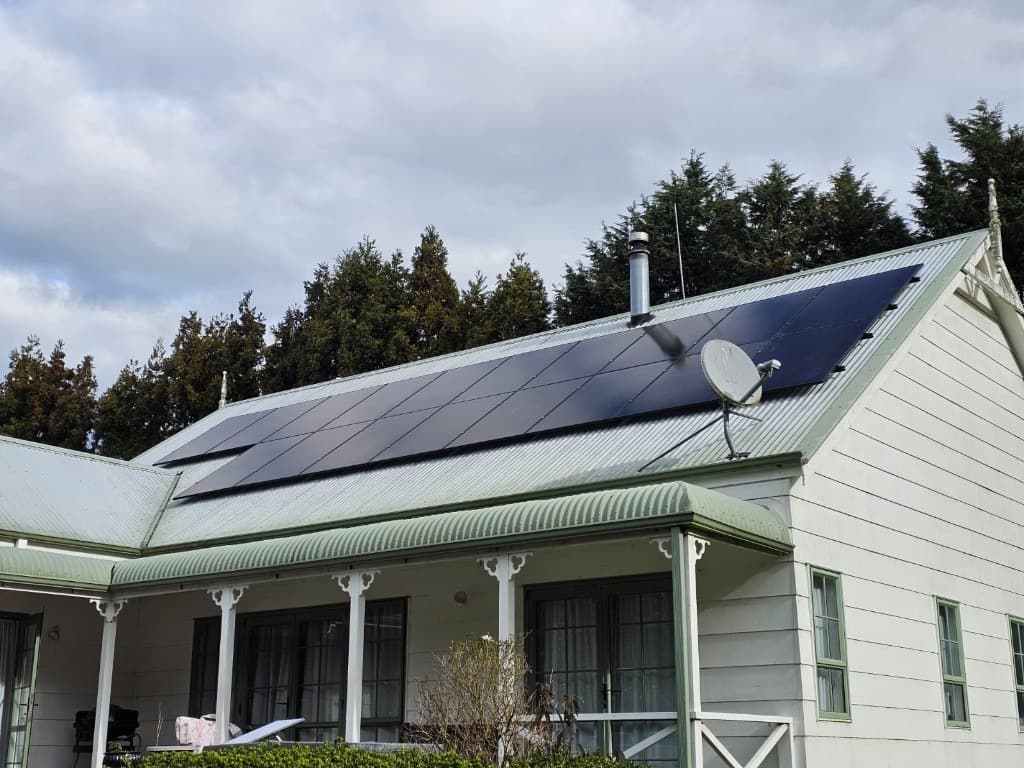
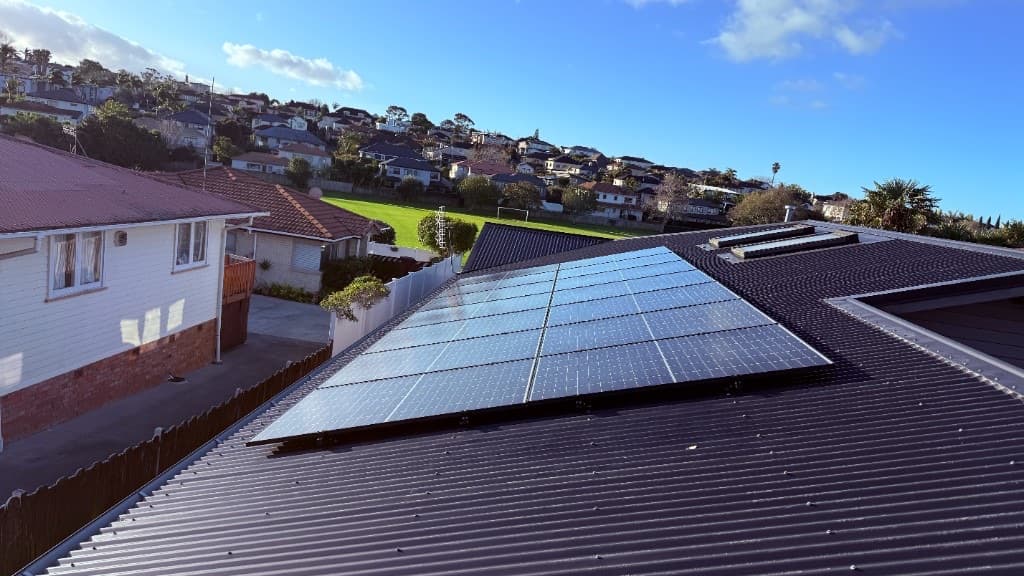
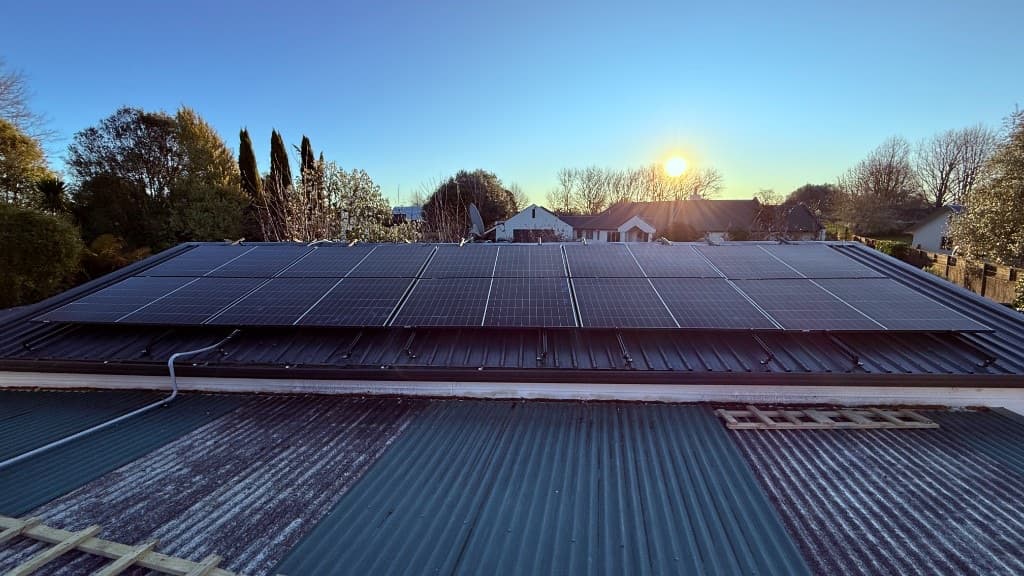
Our work.
Let's design your energy system.
Tell us about the property and what you want the system to do. We will come back to you to arrange the next step.