
Solar panel installation for the property.
Residential, commercial and rural systems, customised to electricity use, roof space and budget. Grid connected is the usual design. Off grid is only quoted where the site can support it. The quote confirms what the property can take.
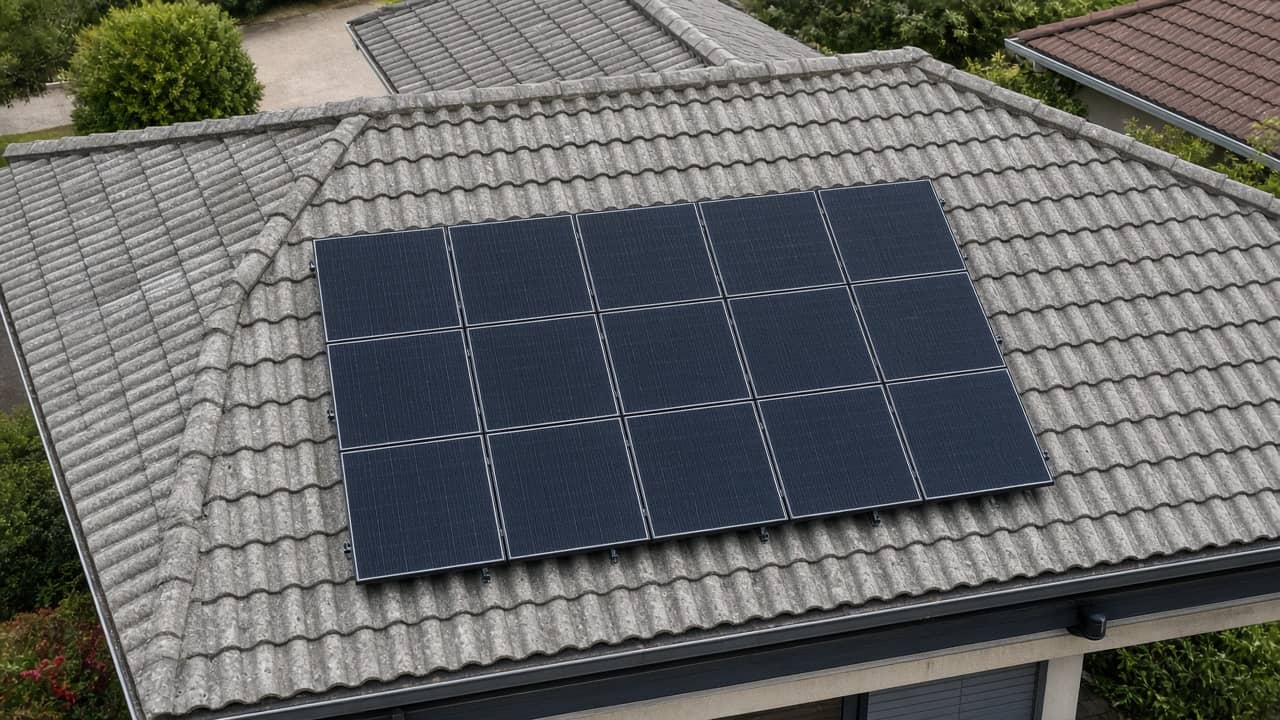
The approach
The roof and the load decide the array.
A good solar system is not the largest one that fits. It is the one that generates when, and as much as, the property can use, with an inverter, protection and cabling that suit it.
That is why the work starts with how the property uses electricity and what the roof allows, and only then moves to equipment.
01What is involved
From first look to a commissioned array.
- 01
Site and load review
How and when the property uses power, the usable roof planes, shading through the seasons and the existing switchboard.
- 02
Array design
Module layout, string arrangement and orientation worked out for the roof, rather than a standard panel count.
- 03
Roof work
Rail and fixing systems chosen for the roof, long run metal or tile, and installed behind edge protection.
- 04
Inverter integration
An inverter matched to the array, the supply and any export limit, with DC and AC isolation in the right places.
- 05
Commissioning
Testing, configuration and monitoring set up before the system is treated as complete.
- 06
Maintenance and support
Checks and support once the system is operating, and a plan for storage or EV charging later.
Connection
Grid tied, hybrid or off grid.
How the system relates to the network changes what it needs. We work with all three.
Grid tied
Stays connected to the network. Solar supplies the property first; any surplus can be exported within the limits set for the connection.
- Simplest architecture
- Grid supplies what solar cannot
- No storage required
Hybrid
Grid connected, with battery storage managed by a hybrid inverter. Daytime surplus is stored for the evening.
- More of your own solar used
- Backup possible for selected circuits
- Storage can be added later
Off grid
No network connection. Generation and storage are sized so the property runs through winter on its own.
- Sized for the darkest months
- Storage is essential
- Often paired with backup generation
02 · Generation
What decides how much it produces.
- Orientation
- North facing planes generate most across the day. East and west split output between morning and afternoon.
- Pitch
- The roof angle changes how output is spread between summer and winter.
- Shading
- Trees, neighbouring buildings and roof features, checked across the seasons, not only on the day of the visit.
- Season and region
- Winter days are shorter and the sun is lower. A design accounts for the whole year.
- Inverter sizing
- The inverter has to suit both the array and the supply it connects to.
Questions
Solar questions.
Does solar work on cloudy days in New Zealand?
Yes. Panels still generate in cloud and rain, at lower output than in clear sun. A design should use local conditions across the whole year, not a single bright day, which is why winter generation is part of any sizing conversation.
Do you fill the roof with as many panels as possible?
No. The array should follow how the property uses electricity, the usable roof, shading, inverter limits and what you want the system to do later. Unused roof is not automatically useful generation.
Which way should the panels face?
In New Zealand the sun tracks across the northern sky, so north facing roof planes generally produce the most across a day. East and west planes still work and can spread generation into the morning and late afternoon, which sometimes suits how a household uses power.
Can every system export electricity to the grid?
No. Connection and export limits are set by the local lines company and by the equipment. Approval is not automatic. The design follows the connection requirements for that site, and the application is lodged with what the network asks for.
What is the difference between grid tied and off grid?
A grid tied system stays connected and can import or export electricity. An off grid system runs without that connection, so generation, storage and backup generation all have to carry the property through winter. The site and how it is used decide which is appropriate.
Do panels still produce in a New Zealand winter?
Yes, but a winter day is shorter and the sun is lower, so a system makes less than it does in summer. A useful design looks at the whole year, not the best month.
Our work
Our work.
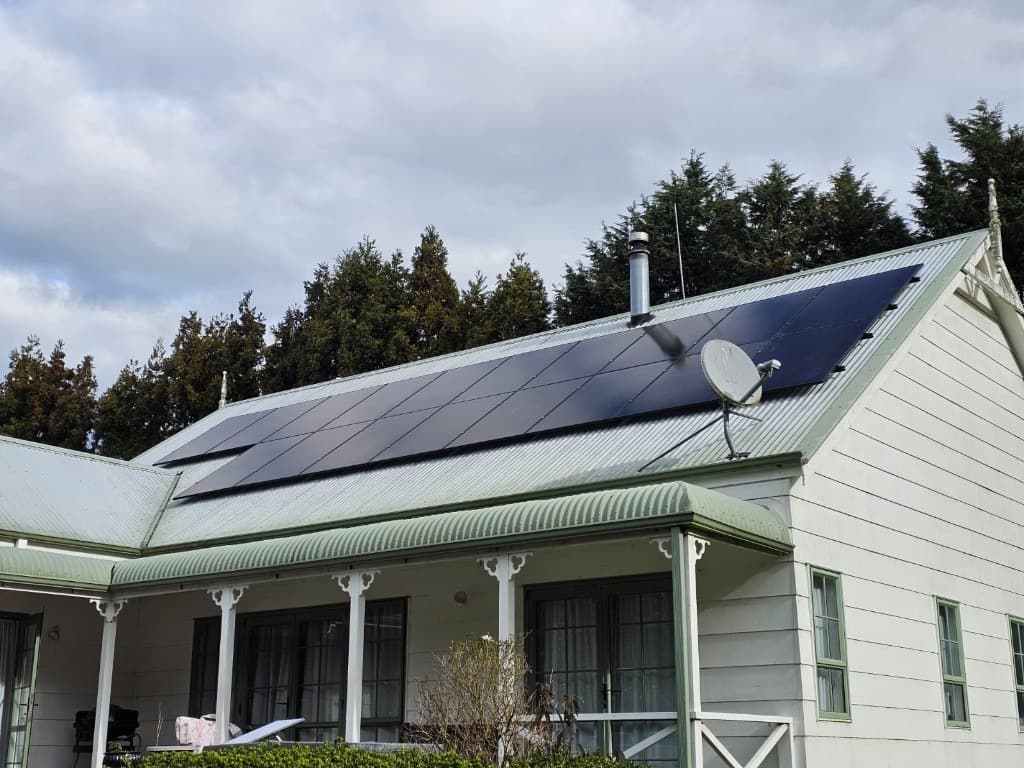
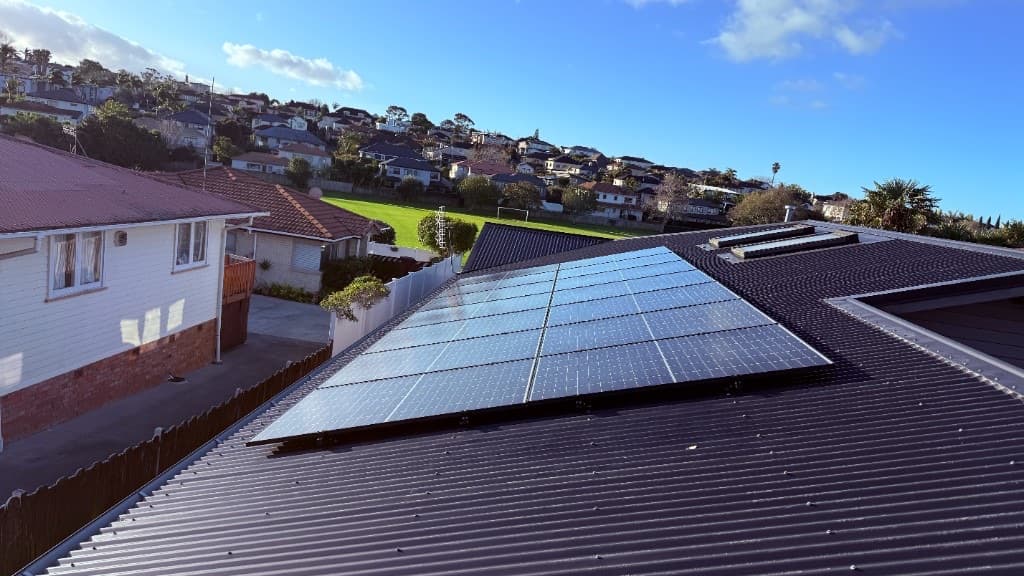
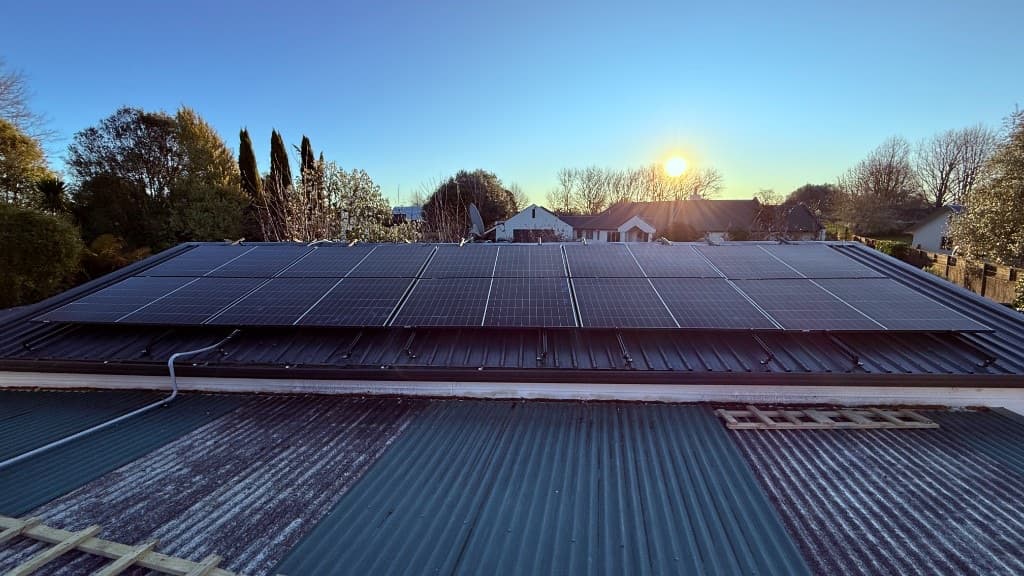
Let's design your energy system.
Tell us about the property and what you want the system to do. We will come back to you to arrange the next step.