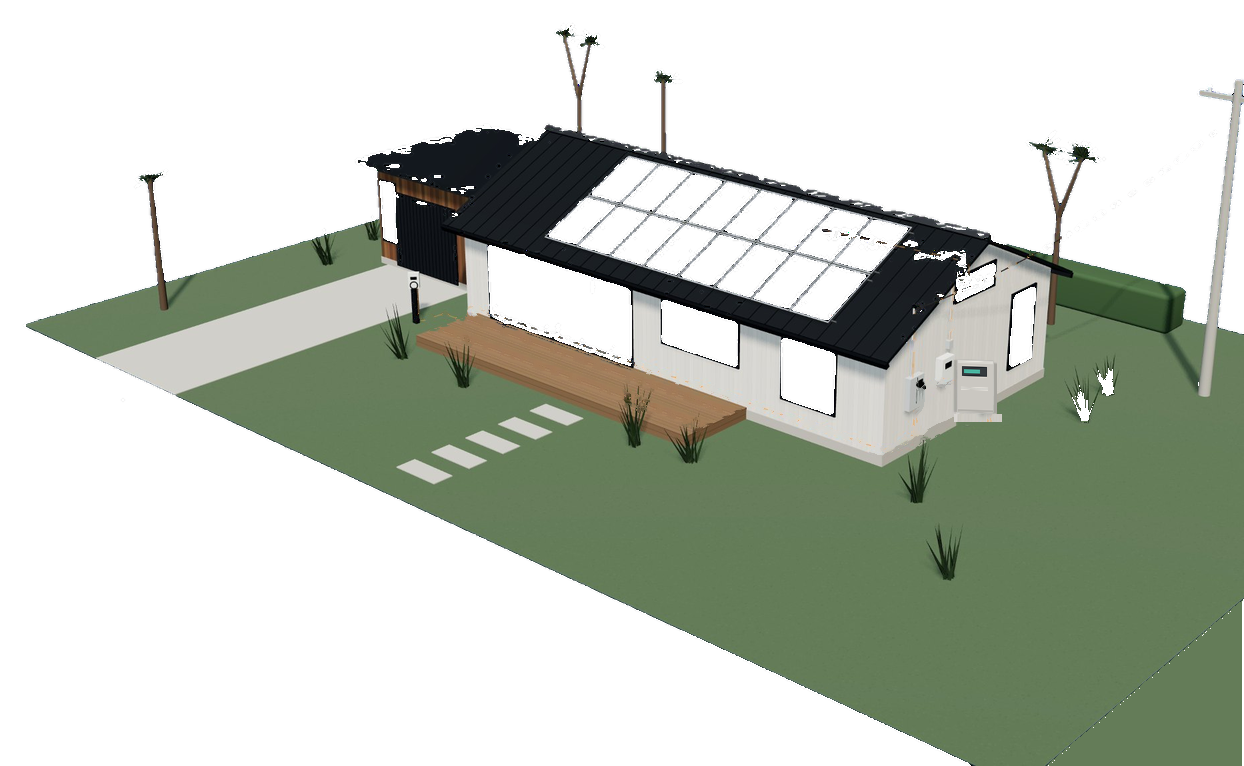
The panels get the attention, but the inverter decides how the whole system behaves. It converts power, manages the array, talks to the battery and the grid, and reports what is happening.
Converting power
Modules and batteries work in direct current. The property and the network run on alternating current. The inverter converts between them, synchronised to the grid.
Managing the array
Maximum power point tracking continually adjusts the electrical load on each string to extract the most energy the light allows. Inverters with more than one tracker can run two roof planes, north and west, for example, independently.
Types
- String inverter, one central unit for grid connected solar
- Hybrid inverter, manages solar, a battery and the grid in one unit
- Microinverters, a small inverter at each module
- Battery inverter, added alongside an existing solar inverter to bring in storage
Grid behaviour
Grid-connected inverters respond to the network: they shut down when the grid fails and follow the settings required for the connection. AS/NZS 4777 is the standard that covers grid connection of energy systems via inverters.
Why the choice matters early
If storage, backup or more panels are likely later, the inverter chosen today determines whether that is a simple addition or a replacement. It is one of the main reasons to design the system rather than buy a package.
Related